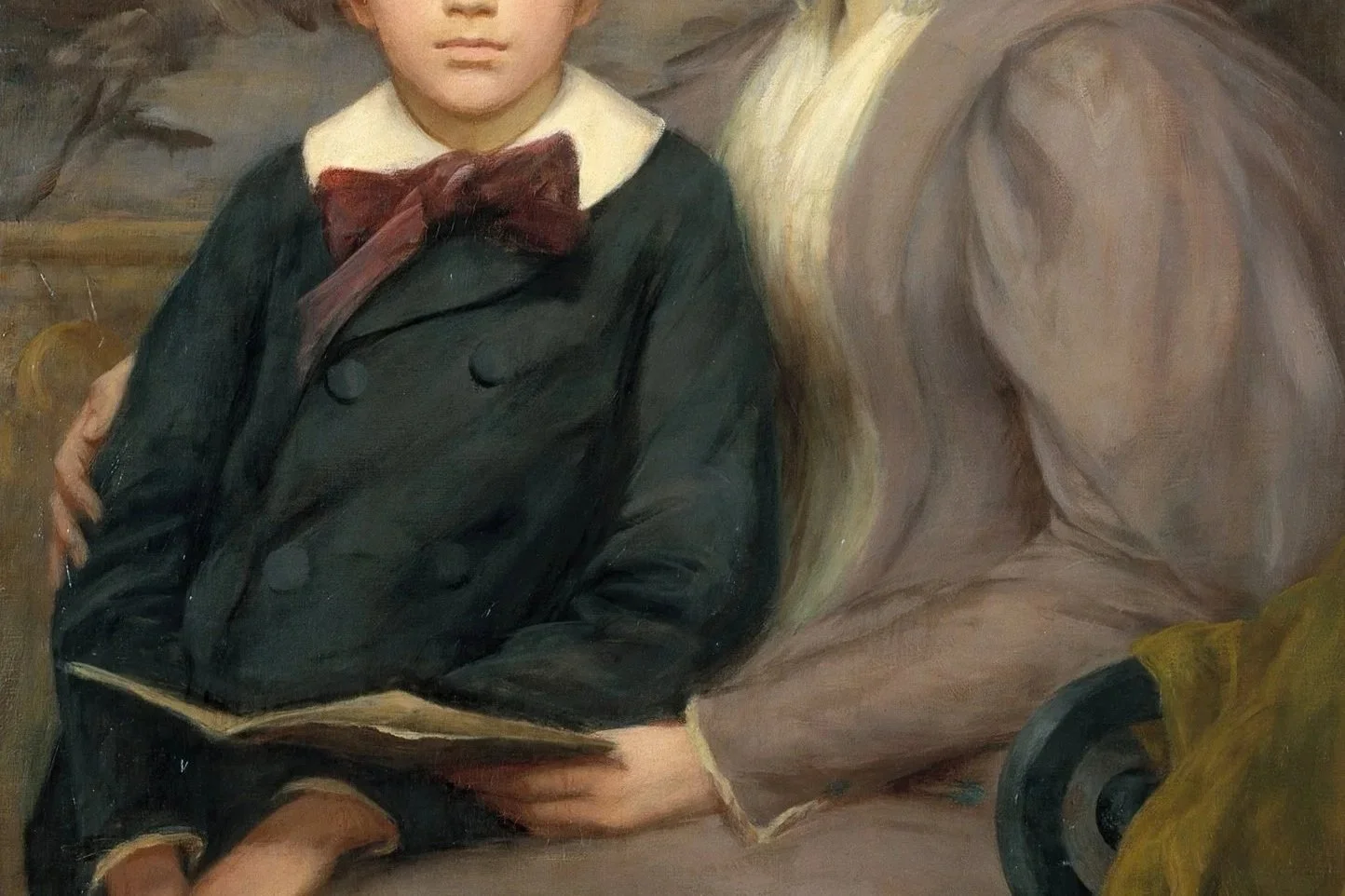
Your Story is Yours to Live
HIPAA-Compliant & Secure Virtual Therapy Available:
New York, Connecticut, Massachusetts, and Florida
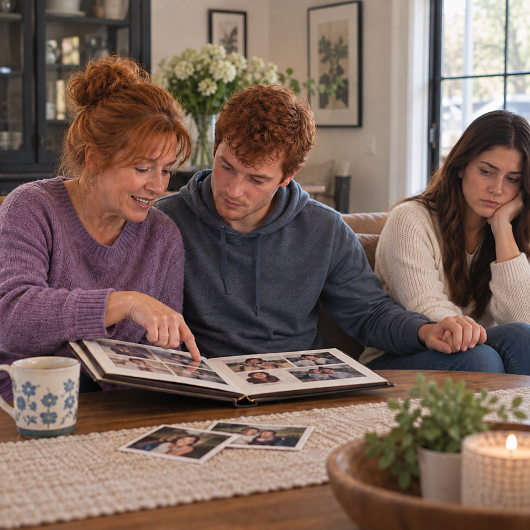
When Closeness Feels Complicated
Family is often where we first learn about love, loyalty, belonging, and responsibility. Healthy families provide connection while also giving us room to become separate people - to develop our own beliefs, relationships, interests, values, and lives.
But in some families, closeness and separateness become difficult to distinguish.
A child may grow up feeling deeply loved while also feeling unusually responsible for a parent's happiness. A parent's disappointment may feel unbearable. Saying no may feel selfish. Privacy may feel like secrecy. Independence may feel like abandonment. And making choices that differ from the family's expectations can bring an unexpected amount of guilt.
This is where enmeshment can develop.
Enmeshment is a relational pattern in which the emotional boundaries between family members become blurred. Rather than experiencing themselves as two separate people who can remain connected while having different needs, feelings, and identities, a parent and child can become overly organized around one another.
Enmeshment is not simply being close to your family. The deeper question is: Did you have enough room within that closeness to become yourself?
Build a Life That Feels Like Your Own
Enmeshment is often difficult to recognize because it does not always look dysfunctional from the outside.
There may be tremendous love, regular communication, and even pride in being close. None of those things, by themselves, indicate enmeshment.
The difficulty begins when maintaining that connection requires the child to surrender his or her individuality.
A parent may rely heavily on a child for companionship, reassurance, emotional support, identity, or meaning. They may become overly involved in decisions that would normally belong to the child. They may experience the child's independence, romantic relationships, boundaries, or differing opinions as rejection.
As an adult, the child might struggle to say no without feeling guilty. They may overthink decisions because they're worried about how someone else will feel. They might agree to things they don't really want to do, explain themselves more than necessary, or feel uncomfortable when someone their love is disappointed with them.
The child can become so good at knowing what everyone else needs that they lose touch with a much simpler question:
What do I want?

Therapy is personal, and the right fit can make all the difference.
Learn more about who we are, how we work, and what you can expect when working with us.
Let’s Create Space for Your Own Life
Healing from enmeshment doesn't mean becoming cold, detached, or estranged from your family. You don't have to stop loving your mother. You don't have to blame your parents for everything. And you don't have to decide that your entire childhood was unhealthy. Instead, the work is about developing enough room inside your relationships to become more fully yourself.
Therapy at Daniels Psychotherapy can help you in the following ways:
Develop a Stronger Sense of Self
Recognize Unhealthy Family Roles
Navigate Family Expectations
Make Decisions With Greater Confidence
Establish Healthy Boundaries
Separate Love From Obligation
Identify Your Own Needs and Wants
Reduce Guilt Around Saying No
Decline Holiday Invitation Without Guilt
Build a Life Guided by Your Own Values

You have an important story to tell. We are ready and willing to hear it.
Your questions are welcome here.
Whether it’s about the process, what to expect, or even how to get started, we're available to talk it through with you.
We are happy to answer any question that helps you feel more confident about the journey ahead.
Let’s talk.
Clinical Insights, Personal Reflections
A curated collection of short clinical writings exploring the human experience through a therapeutic and narrative lens.