
Porn is Only Part of the Story
HIPAA-Compliant & Secure Virtual Therapy Available:
New York, Connecticut, Massachusetts, and Florida

When a Habit Becomes a Pattern
Pornography use does not always begin as something that feels problematic. For many, it starts with curiosity, pleasure, exploration, or an accessible way to unwind. Over time, however, what was once occasional can become something increasingly relied upon to manage stress, loneliness, boredom, anxiety, or uncomfortable emotions.
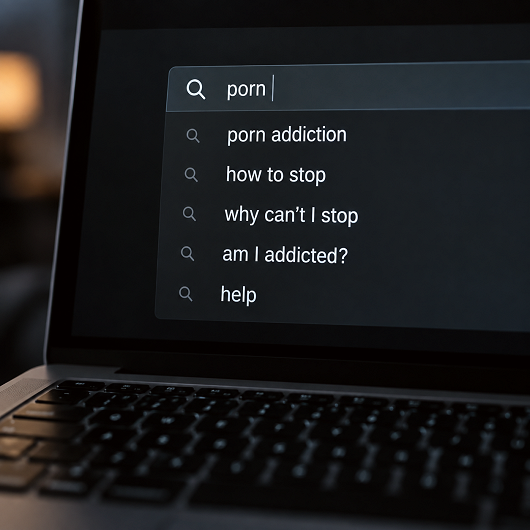
As the pattern develops, individuals may find themselves returning to pornography despite repeated promises to stop or cut back. Some become increasingly secretive, while others notice that the behavior is beginning to interfere with their relationships, intimacy, responsibilities, or sense of self. What once felt like a choice can gradually become an automatic response to discomfort, even when the consequences are becoming difficult to ignore.
For many, the most frustrating part is the disconnect between their intentions and their actions. They may genuinely want to change, understand the consequences of continuing, and still find themselves returning to the same familiar cycle. Recognizing that a behavior has become difficult to control is often the beginning of understanding the larger role it has come to play in someone's life.
Understanding What’s Beneath
Pornography use is not always just about sexual desire. For some, it becomes a way to escape difficult emotions, seek validation, create a sense of control, or temporarily disconnect from parts of life that feel overwhelming. What provides relief in the moment may gradually become a familiar way of avoiding experiences that feel uncomfortable, uncertain, or difficult to manage.
Beneath the behavior, there may be longstanding patterns of shame, insecurity, loneliness, resentment, emotional avoidance, or difficulty navigating intimacy and vulnerability. Some individuals have spent years learning to manage their emotional lives privately, relying on pornography rather than expressing what they feel, need, or fear. Others may struggle with perfectionism, fear of rejection, or a persistent sense that they are not enough.
Understanding these patterns requires looking beyond the behavior itself. What is someone seeking in those moments? What are they trying not to feel, and why has pornography become such a reliable source of relief? These questions are not intended to excuse the behavior, but to develop a deeper understanding of the emotional patterns that sustain it and what meaningful change may require.


Therapy is personal, and the right fit can make all the difference.
Learn more about who we are, how we work, and what you can expect when working with us.
Let’s Go From Compulsion to Choice
The goal is not to spend your life fighting against a behavior, but to develop a life in which that behavior no longer calls the shots. Therapy can help you move beyond temporary relief toward greater freedom and choice.
Therapy at Daniels Psychotherapy can help you in the following ways:
Understand what drives compulsive pornography use
Identify triggers and recurring patterns
Develop healthier ways to manage emotions
Strengthen impulse control and self-awareness
Challenge rationalizations and justifications
Build meaningful accountability
Improve emotional and physical intimacy
Navigate urges without acting on them
Make choices that align with your values
Develop strategies for lasting recovery
You have an important story to tell. We are ready and willing to hear it.
Your questions are welcome here.
Whether it’s about the process, what to expect, or even how to get started, we're available to talk it through with you.
We are happy to answer any question that helps you feel more confident about the journey ahead.
Let’s talk.
Clinical Insights, Personal Reflections
A curated collection of short clinical writings exploring the human experience through a therapeutic and narrative lens.